

Ultimate Guide to Forex Trading Strategies for Success
In the ever-evolving world of financial markets, Forex trading offers a plethora of opportunities for traders willing to navigate its complexities. The Forex market, recognized as the largest and most liquid financial market globally, presents unique strategies that can enhance trading efficacy. This article serves as a comprehensive guide to diverse Forex trading strategies, which you can start implementing today. For more in-depth resources, you can always visit forex trading strategies https://ex-zar.com/.
Understanding Forex Trading Strategies
Forex trading strategies are systematic approaches that traders utilize to make decisions on buying or selling currency pairs. These strategies typically encompass analysis, risk management, and specific entry and exit points to maximize profitability while minimizing losses. Whether you’re a newcomer or an experienced trader, understanding various strategies can arm you with the knowledge to enhance your trading performance.
1. Day Trading
Day trading is a short-term trading strategy that involves buying and selling currency pairs within the same trading day. Day traders aim to capitalize on small price fluctuations, typically making numerous trades throughout a single day. This method requires a keen understanding of market trends, high volatility, and instant decision-making.
The primary advantage of day trading is that traders avoid overnight risks, which can involve significant changes in market positions due to external factors. However, day trading demands substantial time investment and thorough market analysis. Common indicators used in day trading include moving averages and Relative Strength Index (RSI).
2. Swing Trading
Swing trading is aimed at capturing short- to medium-term price movements over several days to weeks. Swing traders primarily focus on the fluctuations within price trends and utilize a combination of technical and fundamental analysis to make informed decisions.
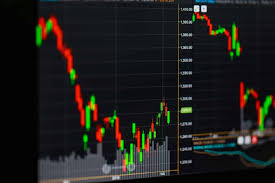
For swing trading, traders typically hold positions longer than just a day, which allows them to take advantage of market volatility. Traders often employ trend lines, Fibonacci retracements, and candlestick patterns to identify potential entry and exit points. This strategy is ideal for those with day jobs, as it doesn’t require constant monitoring of market movements.
3. Scalping
Scalping is a high-frequency trading strategy where traders look to exploit small price gaps created by order flows or spreads. This technique involves making multiple trades within a day, often holding positions for only a few seconds to minutes.
Successful scalping requires excellent timing, quick decision-making, and a robust risk management system to prevent losing trades from wiping out profits. Scalpers often use high leverage and focus on pairs with tight spreads and significant volatility, making this strategy best suited for experienced traders.
4. Position Trading
Position trading is a long-term trading strategy where traders hold positions for weeks, months, or even years. Unlike day traders and swing traders, position traders are less concerned with small price fluctuations and more focused on the overarching trend of a currency pair.
This strategy is based on fundamental analysis, incorporating economic factors, geopolitical events, and long-term trends. While it requires less frequent trading, position trading mandates a comprehensive understanding of the economic forces that influence various currencies.
5. Trend Following
Trend following is a strategy where traders make decisions based on the prevailing direction of the market. The adage “the trend is your friend” holds true here, as traders try to ride trends until signs of a reversal appear.

To implement a trend-following strategy, traders often utilize moving averages and trend lines to identify and confirm trends. The main goal is to enter a trade when the trend develops and exit when the trend shows signs of reversing. This strategy works best in trending markets and can be adapted for both short-term and long-term trading.
6. Range Trading
Range trading operates on the premise that currency pairs often trade within defined support and resistance levels. Traders utilizing this strategy buy when the price approaches support and sell when it nears resistance, effectively capitalizing on market reversals within established ranges.
This strategy is beneficial in sideways markets and requires identifying correct support and resistance levels. Indicators such as the Stochastic Oscillator or RSI can help determine overbought or oversold conditions, signaling potential reversals.
7. Risk Management Strategies
No trading strategy is complete without an effective risk management plan. Protecting your capital is vital in the highly volatile Forex market. Key components of a risk management strategy include:
- Setting Stop-Loss Orders: Stop-loss orders allow traders to define acceptable loss thresholds, helping mitigate significant financial damage.
- Position Sizing: Determining the amount of capital to risk on a single trade is crucial. A common approach is to risk only 1-2% of total trading capital.
- Diversification: Spreading trades across different currency pairs can help reduce overall risk exposure.
Conclusion
In the dynamic realm of Forex trading, adopting a suitable strategy is paramount for success. Different approaches cater to various trading styles, risk appetites, and market conditions. By experimenting with day trading, swing trading, scalping, position trading, trend following, and range trading, traders can discover which strategies resonate with their trading philosophy.
No matter the strategy you choose, remember that market research, discipline, and continuous learning are indispensable elements in the quest for trading success. Happy trading!