
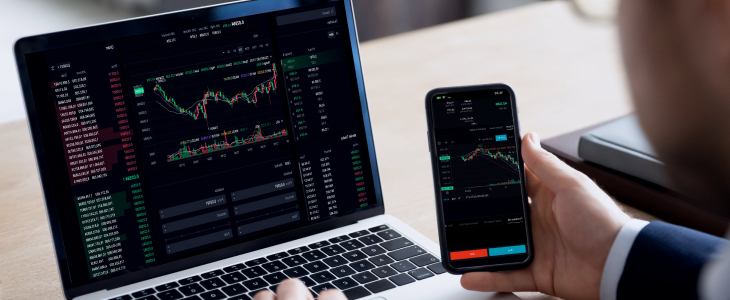
Understanding the psychological aspects of Forex trading is vital for any trader looking to succeed in the market. The mental landscape of trading is nuanced, affecting decision-making, risk management, and overall trading performance. As the dynamics of the Forex market are inherently unpredictable, having the right mindset can be the determining factor in achieving consistent profitability. Furthermore, when engaging in trading, it’s essential to remain aware of the tools that can assist in your journey, such as forex trading psychology Top MT4 Trading Apps, which provide substantial support in analyzing market trends. This article aims to delve into the various components of Forex trading psychology and how they influence a trader’s performance.
The Importance of Trading Psychology
Trading psychology refers to the emotional and mental aspects that influence trading behaviors and results. In Forex trading, where volatility can create immediate consequences for one’s financial standing, managing one’s psychology is critical. The psychological traits that traders experience can range from greed and fear to overconfidence and anxiety. Recognizing and addressing these feelings can help traders make sound decisions, even in high-pressure situations.
Greed and Fear: The Twin Challenges
Greed and fear often act as opposing forces in Forex trading. Greed can lead to overtrading and chasing losses, while fear can result in missed opportunities or premature exit from trades. Successful traders learn to balance these emotions by establishing a disciplined trading strategy.
Overcoming Greed
Greed can manifest in various ways, such as taking excessive risks or ignoring stop-loss orders. To combat this, traders need to set realistic goals and stick to their trading plans. One technique is to develop a structured approach to risk management. By determining how much of a trading account to risk per trade, traders can mitigate the lure of greed and maintain a focus on long-term strategy.
Managing Fear
Fear can cause paralysis in decision-making or prompt hasty exits after minor losses. To manage fear, traders can incorporate practices such as positive visualization or maintaining a trader’s journal. These methods help in reinforcing a positive mindset and enable one to learn from past mistakes instead of being paralyzed by them.
Developing Emotional Discipline
Emotional discipline is the ability to stick to your trading plan regardless of how you feel during trades. Developing emotional discipline involves self-awareness, a solid understanding of one’s trading strategy, and the capacity to adhere to it without deviation. Here are some strategies to enhance emotional discipline:
1. Create a Comprehensive Trading Plan
Having a well-defined trading plan helps establish clear rules for entering and exiting trades. This plan should include set parameters for profit targets, stop-loss levels, and risk tolerance. A trading plan acts as a guide during turbulent market conditions, reducing the influence of emotional reactions.
2. Keep a Trading Journal
A trading journal is a powerful tool for self-reflection. By documenting trades, emotions, and outcomes, traders can identify patterns in their behavior. This self-analysis fosters awareness and allows traders to make data-driven improvements. It encourages accountability and stands as a reminder of the importance of sticking to a strategy.
3. Practice Mindfulness and Stress Reduction Techniques
Engaging in mindfulness practices, such as meditation or deep-breathing exercises, can promote calmness and clarity. Stress reduction techniques can help traders manage anxiety, reinforcing their ability to stick to their plans even in volatile situations. By fostering a state of mindfulness, one can interpret market movements without the weight of emotional overload.
The Role of Experience in Psychological Development
Experience plays a crucial role in shaping a trader’s psychology. New traders often exhibit high levels of anxiety and uncertainty, which can fluctuate as they gain more experience. Over time, seasoned traders develop their processes, which can lead to improved emotional control and confidence.
Learning from Losses
Every trader will experience losses, no matter how skilled they may be. The key difference lies in how traders respond to these losses. Rather than seeing loss as a failure, successful traders view it as a learning opportunity. Analyzing losing trades to identify mistakes can bolster a trader’s understanding and prevent future occurrences.
Building Confidence Through Education
Continuous education is essential in Forex trading psychology. Knowledge empowers traders to make informed decisions, which enhances confidence. Understanding market fundamentals, technical analysis, and the economic indicators can demystify trading and reduce emotional stress. Educational resources, such as webinars, books, and trading forums, can contribute to a trader’s psychological growth.
Conclusion
In conclusion, trading psychology is an integral element of Forex trading success. Mastering the mental aspects can transform a trader’s approach, leading to improved performance and profitability. Recognizing the emotional challenges, developing disciplined strategies, and fostering a mindset of continuous improvement are necessary steps for success. By adhering to a structured trading plan, maintaining a trading journal, and continually educating oneself, traders can navigate the complexities of Forex trading with greater ease. Ultimately, the combination of experience and robust psychological practices can pave the way for long-term success in the forex market.